
Machine Learning 
Neural Networks
Physics-Informed Neural Networks (PINNs): A Simple Guide
Physics-informed neural networks (PINNs) blend physics laws with deep learning. See how they work, real uses, limits and how to build your first one.
Fresh guides, explainers and tool reviews from the Cotrax AI team. New articles every week.
Physics-informed neural networks (PINNs) blend physics laws with deep learning. See how they work, real uses, limits and how to build your first one.
Learn cross-validation in machine learning: how k-fold works, the main types, how to avoid data leakage, and simple Python code to test your models.
What does an MLOps engineer do? Learn the daily tasks, key skills, tools, US salary range, top certifications and a step-by-step roadmap to get hired.
Start deep learning with Python: set up your tools, learn the key libraries, and build your first neural network step by step with simple PyTorch code.
Liquid neural networks adapt as data changes and run with very few neurons. Learn how they work, how they differ from RNNs, real uses and their limits.
What is overfitting in machine learning? Learn why it happens, how to spot it, and 8 proven ways to fix it, with simple examples and clear visuals.
Learn the 9 main deep learning models, from CNNs and LSTMs to transformers, GANs and diffusion models, with simple examples and when to use each one.
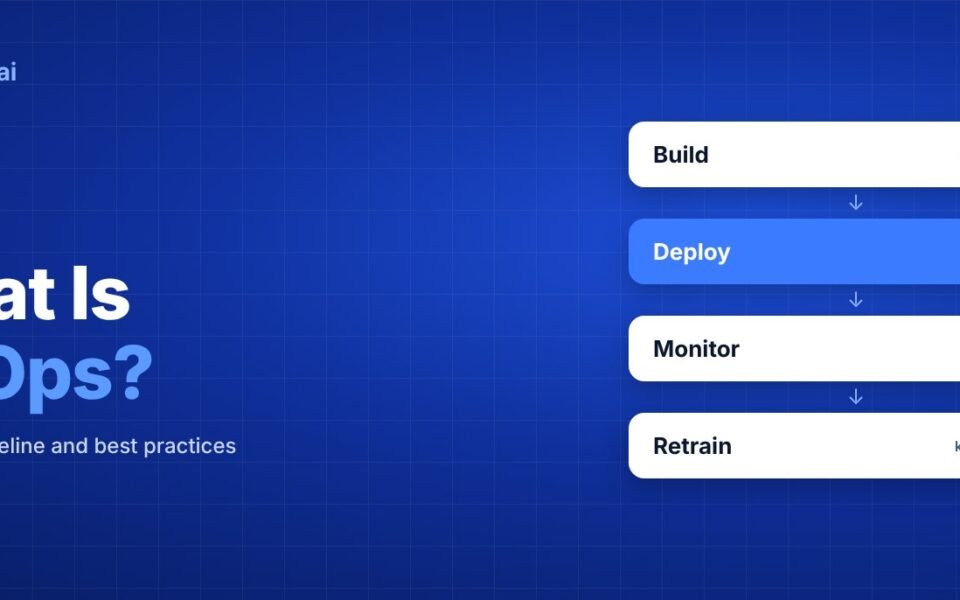
What is MLOps? Learn how it takes ML models from notebook to production, plus the MLOps lifecycle, pipeline stages, maturity levels and best practices.
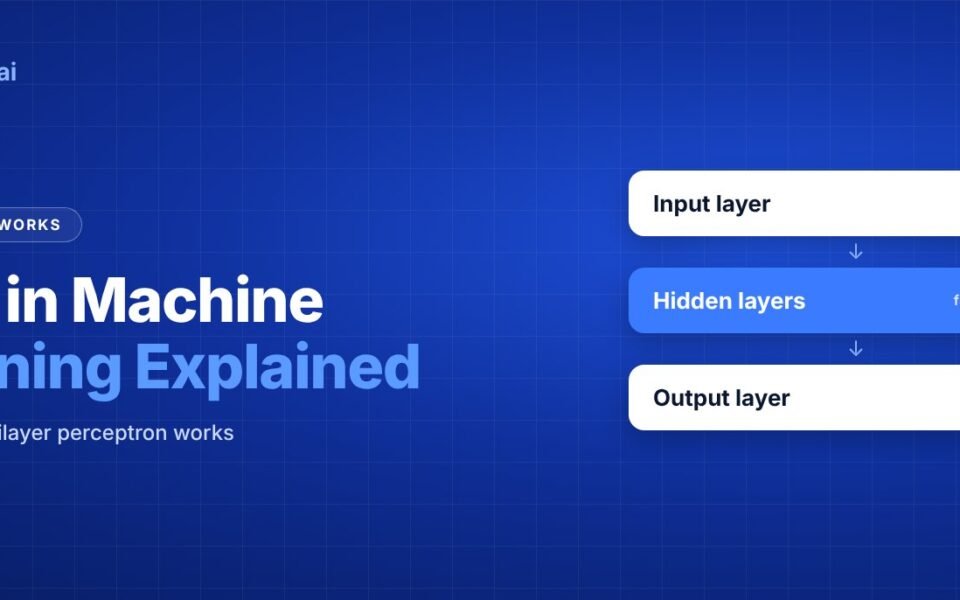
What is an MLP in machine learning? Learn how the multilayer perceptron works, how it differs from a perceptron, when to use it, and how to build one.
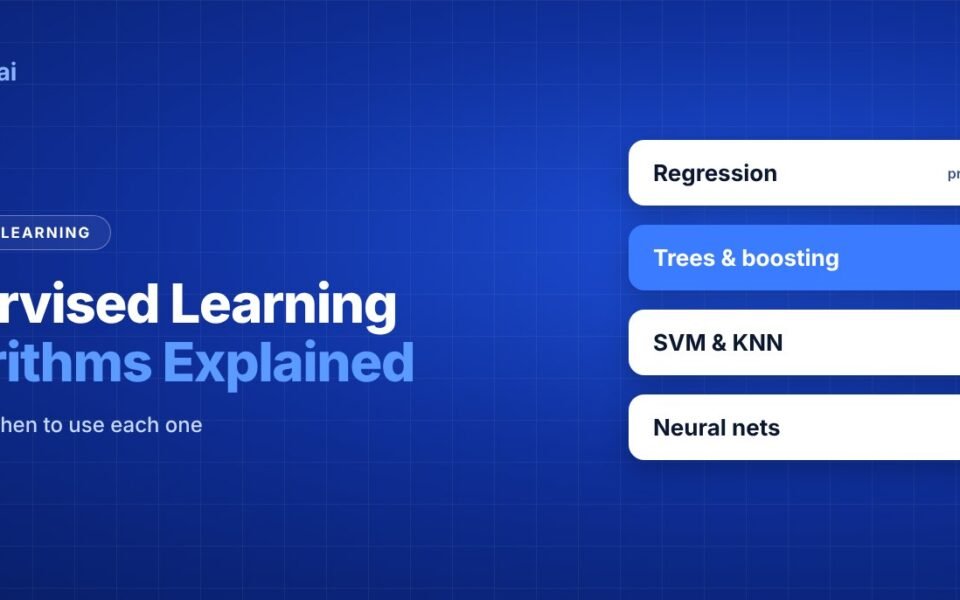
Learn the 9 most used supervised learning algorithms, from linear regression and decision trees to SVM and XGBoost, with examples and when to use each.
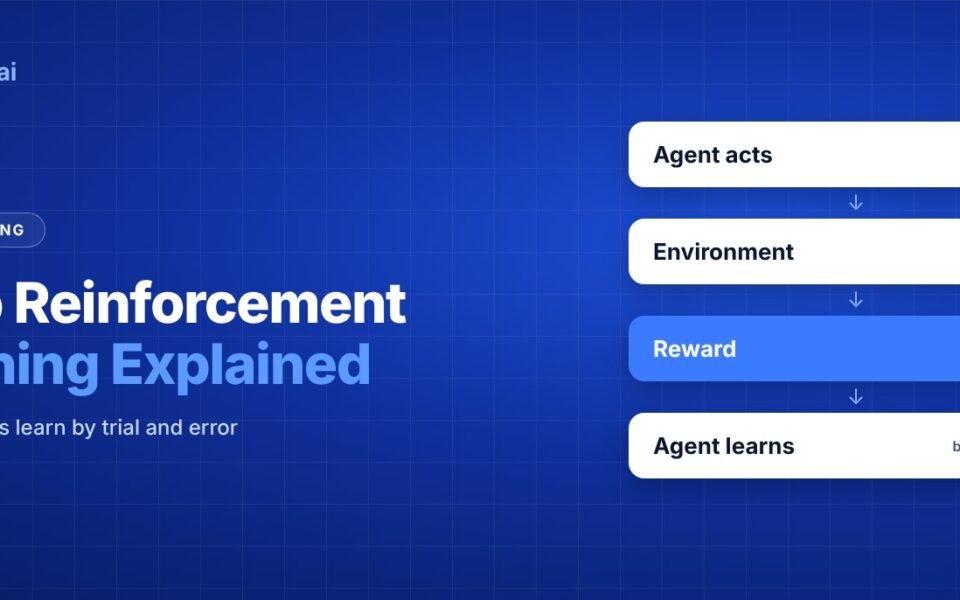
Deep reinforcement learning explained simply: how agents learn from rewards, how Deep Q-Learning works, real examples, key algorithms and how to start.
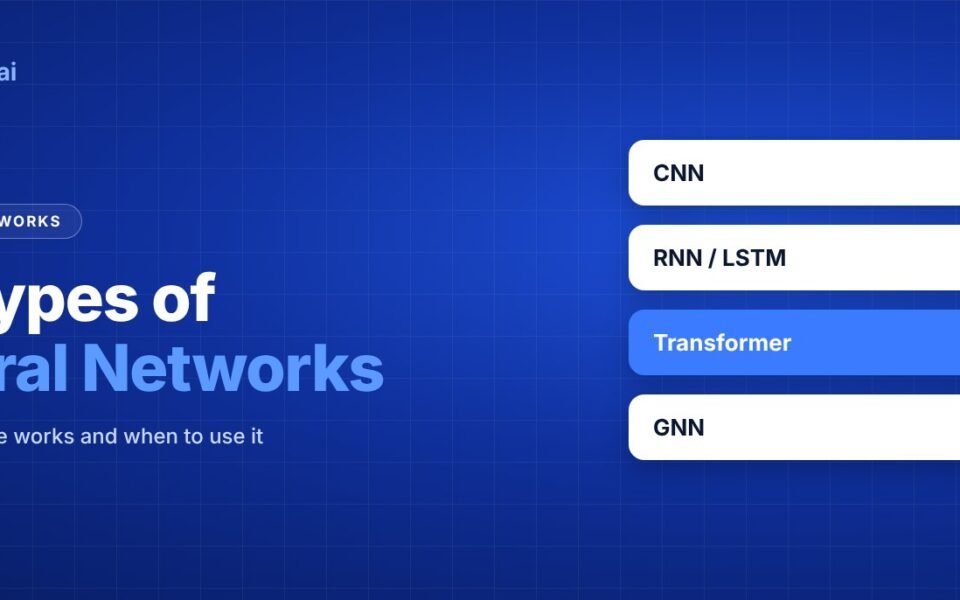
Explore 10 types of neural networks, from perceptrons and CNNs to LSTMs, transformers and GNNs. Learn how each works, real examples and when to use it.